
Mobile security patrol cost in Australia typically ranges from A$35 to A$75 per visit for metro sites, but the final invoice is driven by award wage floors, vehicle overheads, and alarm response fees rather than just a simple hourly rate. A cheap patrol quote can look attractive until travel, after-hours work, minimum engagements, reporting, and callouts appear as separate charges.
The popular advice is to compare the lowest per-visit number. That's the wrong starting point. A patrol is a moving operation involving a licensed officer, a compliant vehicle, dispatch, supervision, fuel, route time, documentation, and response capacity. If the quote only describes “one patrol”, you still don't know what protection you're buying.
For a venue, construction site, retail property, or multi-site operator, the right question is not “What's your hourly rate?” It's “What will this exact coverage cost over a normal month, and what happens when the alarm activates?”
The Truth About Mobile Security Patrol Cost
A cheap per-visit quote can hide the largest operating costs. Australian providers commonly price patrols per visit, with services often listed around A$25 to A$60 per patrol visit, depending on site size, distance, and alarm-response requirements, according to this Melbourne security cost guide. Other Australian pricing guidance places metro patrols around A$35 to A$75 per visit, a practical range for comparing current proposals through this Australian mobile patrol pricing guide.
The quoted visit is not a standard unit of protection. One officer may drive past and submit a brief confirmation. Another may inspect the perimeter, check doors and gates, photograph defects, speak with a manager, and remain available for alarm response. Those tasks require different labour time, vehicle use, and reporting effort.
The price on the quote isn't the operating cost
A Melbourne-focused guide places regular patrols at A$30 to A$60 per visit and recurring schedules around A$400 to A$1,200 per month. It also describes alarm response as a separate charge of approximately A$50 to A$80 per attendance. A venue or construction site can therefore keep its scheduled patrol spend modest yet receive a much larger invoice after repeated alarm activations.
The hidden cost is usually operational, not mysterious. Award-based labour, vehicle availability, route time, supervision, and dispatch all sit behind the number shown on the proposal. Geography decides how much of each visit is spent protecting the site and how much is spent driving to it.
- Labour timing: Nights, weekends, public holidays, overtime, and callout conditions can raise delivery costs.
- Travel exposure: A remote property consumes more road time and may require a dedicated route.
- Vehicle choice: A construction site may need a 4WD, while an urban route may use a standard operational vehicle.
- Response terms: Define alarm attendance, waiting time, escalation, and authority notification before signing.
- Evidence and reporting: Photos, timestamps, exception reports, and incident escalation add administrative work.
Practical rule: Request an itemised monthly price, not a single patrol rate. If the provider cannot show what the rate includes, treat it as incomplete.
A low number can represent good value when the scope is precise. Require the patrol frequency, inspection points, response inclusions, service window, reporting method, cancellation terms, and out-of-hours charges before comparing proposals. That comparison exposes whether the quote funds real coverage or only a vehicle passing the gate.
Breaking Down the Base Rates and Overheads
A cheap per-visit quote often hides the labour and vehicle time required to deliver it. The Security Services Industry Award establishes the wage floor, not the final patrol price. A Fair Work pay-rate summary lists a Level 1 adult minimum of A$25.15 per hour for full-time and part-time employees, and A$31.44 per hour for casuals including the 25% loading, effective from 1 July 2025, as shown in this Security Services Industry Award pay guide.
A separate 2026 Australian pay-rate reference lists the Level 1 base rate as A$28.42 per hour and the casual rate as A$35.53 per hour after the 25% loading, effective from 1 July 2026. Check which award period and employment arrangement support the quotation by reviewing the 2026 Australian security pay-rate reference. The operator must then fund supervision, insurance, uniforms, training, dispatch, administration, leave obligations, and profit.
Labour isn't the only floor
Penalty-based rates can increase the cost of nights, weekends, overtime, and other conditions. Patrols commonly run while properties are closed, so an ordinary-hours price may not reflect a recurring overnight or weekend schedule. Ask the provider to identify the labour assumptions behind the rate.
Vehicle overhead adds a second cost layer. The NSW Police Force user-charge schedule lists operational vehicle charges of A$21.91 per hour for a 4-cylinder vehicle, A$27.55 for a 6-cylinder vehicle, and A$30.45 for a 4WD, with running costs included. These figures are not a private patrol tariff, but the NSW Police Force user-charge schedule gives buyers a useful benchmark for judging how vehicle type and utilisation affect delivery cost.
| Vehicle Type | Hourly Charge |
|---|---|
| 4-cylinder operational vehicle | A$21.91 |
| 6-cylinder operational vehicle | A$27.55 |
| 4WD | A$30.45 |
A 4WD does not automatically improve a patrol. It carries a different asset cost and may be necessary for unsealed access, large sites, or construction conditions. Road time, dispatch, supervision, and reporting also consume paid resources, so the invoice must cover more than the minutes spent walking the perimeter.
The same schedule records special-event police charges rising from A$134.18 per hour in 2024/25 to A$141.55 in 2025/26, while communications officers rose from A$106.00 to A$111.82. It attributes the adjustment to 5.5% in ERE and 2.5% in OOE for most rates. These public-sector figures are not direct patrol prices, but they show how labour and operating inputs can rise together. Ask for an itemised quote that separates patrol labour, vehicle use, response work, and administration.
How Geography and Site Density Shift Pricing
A flat per-visit rate rarely survives contact with a map. A patrol company can service several nearby retail, hospitality, or commercial sites in one organised route. A remote property may require a long dedicated drive for one inspection, making the same “visit” far more expensive to deliver.
One Australia-focused guide places metro patrols at A$35 to A$55, regional-city patrols at A$45 to A$65, and rural or remote patrols at A$60 to A$120. The same guide explains the effect of geography and site conditions in its Australian mobile patrol cost comparison. A separate Australian source reports Brisbane mobile patrol visits around A$85 to A$130, reinforcing the point that scope, access, travel, and local operating conditions can outweigh a national headline rate.
Compare the route, not just the address
A central Melbourne retail strip may have several nearby properties, predictable access, and short travel between checks. A construction site outside a regional centre may have poor lighting, multiple gates, rough access roads, plant areas, and no neighbouring stops. Both may request “one nightly patrol”, but the provider is carrying very different operational exposure.
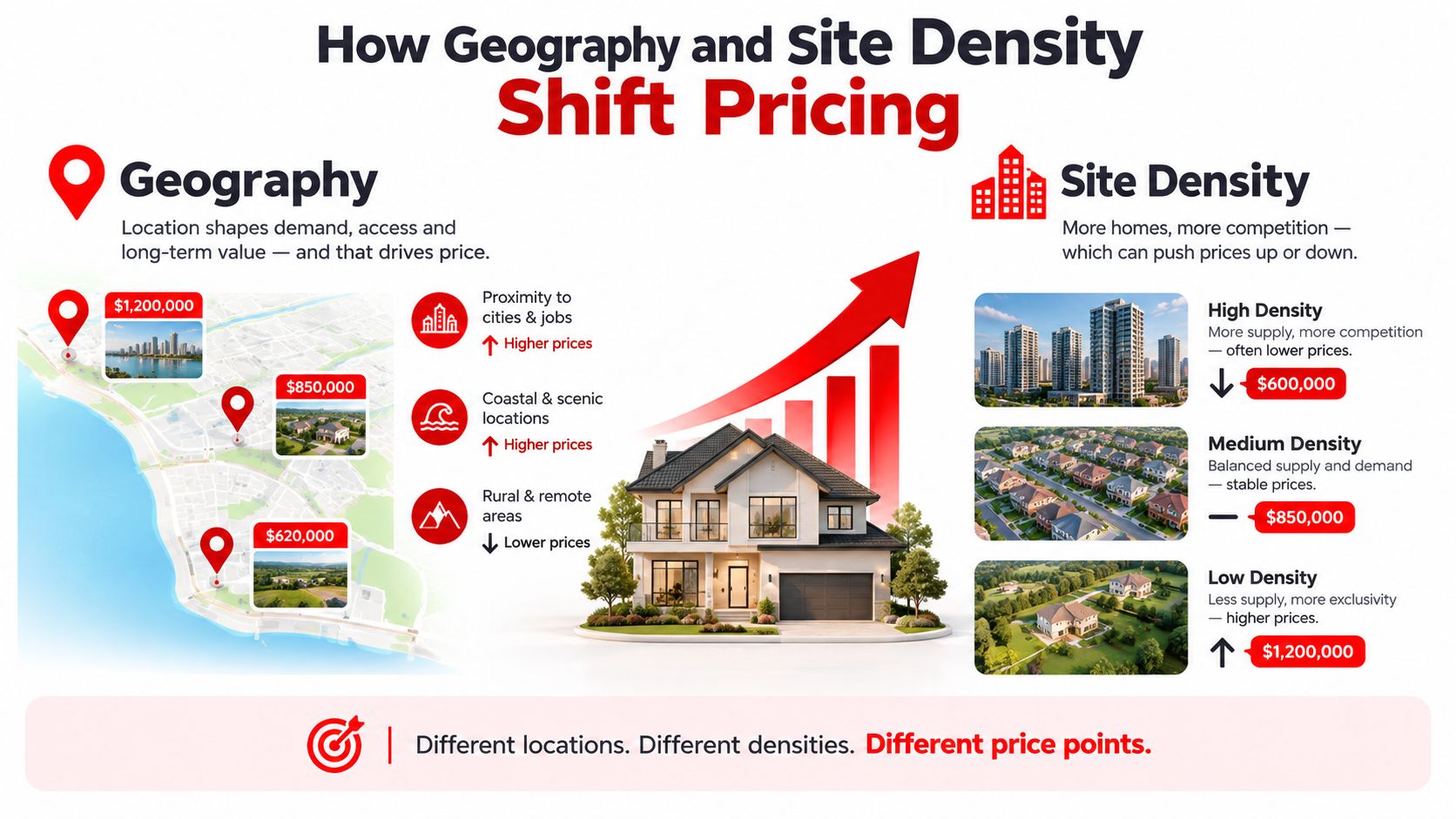
Site density benefits multi-site operators, but only if they provide a route plan rather than negotiating each address in isolation.
- Group nearby assets: Ask whether several venues, shops, or project sites can be covered in one route.
- Define access conditions: List gates, loading zones, restricted areas, keys, swipe cards, and escort requirements.
- Separate travel from inspection: Require the provider to identify whether travel time is included in the visit fee.
- Match the vehicle to the site: Don't pay for a 4WD where a standard vehicle safely performs the task, but don't force a sedan onto a difficult construction route.
- Price remote response: A low scheduled rate is meaningless if every alarm attendance carries a substantial travel charge.
Regional operators should request a site-specific assessment. Multi-site businesses should provide a full address list and preferred patrol windows at tender stage. That gives providers a chance to price route density accurately and gives buyers a fair comparison between a consolidated patrol model and a hybrid arrangement.
Calculating Your Monthly Patrol Budget
Cheap per-visit pricing can hide the labour and vehicle time behind each attendance. Build the monthly budget from the service pattern first, then add the exceptions. Separate scheduled patrols, alarm attendances, special instructions, reporting, and supervision. A headline visit fee multiplied by calendar days will not show the full invoice.
Use published figures only as planning benchmarks. One nightly patrol may sit around A$400 to A$600 per month, while several nightly patrols may reach A$1,000 to A$1,500 monthly, according to this Australian patrol pricing guide. Recurring monthly pricing can also range from A$400 to A$1,200, depending on the agreed schedule and site requirements, as outlined in patrol and alarm response pricing information. Treat those figures as budget markers, not quotes.
Build the budget in four lines
Scheduled visits: Count every contracted patrol across the month and multiply by the agreed visit rate. Confirm whether visits are fixed, randomised, or combined. Ask how travel time and vehicle use are treated.
Alarm attendance: Keep callouts separate from routine patrols. Alarm response may cost around A$50 to A$80 per attendance, including some false alarms, depending on the contract. Confirm the attendance fee, after-hours rate, and travel charge before signing.
Site complexity: Allow for large perimeters, several buildings, difficult access, lock duties, key control, photographs, incident reports, or emergency-service contact. These requirements can expand the officer's time on site rather than appear as a simple surcharge.
Exceptional coverage: Price public holidays, event nights, construction shutdowns, urgent extra visits, and waiting time. Require the provider to state the applicable labour and vehicle rules in writing.
A hotel budget should prioritise alarms, entrances, service areas, and car parks. Retail sites need closing checks, loading docks, shutters, and customer-facing areas. Construction sites require clear instructions for plant storage, temporary fencing, fuel areas, cabins, and access gates.
Add a review trigger to the contract. If alarm attendances exceed the allowance, improve verification, lighting, access control, CCTV monitoring, or coverage during the highest-risk period. More patrols are not automatically the right answer. A disciplined budget shows whether you are paying for protection, or repeatedly funding avoidable travel and labour.
Smart Strategies to Optimise Security Spend
The strongest cost reduction usually comes from removing waste, not removing protection. A patrol that checks the wrong fence line, arrives during a low-risk period, or produces no usable report is a poor investment regardless of its price.
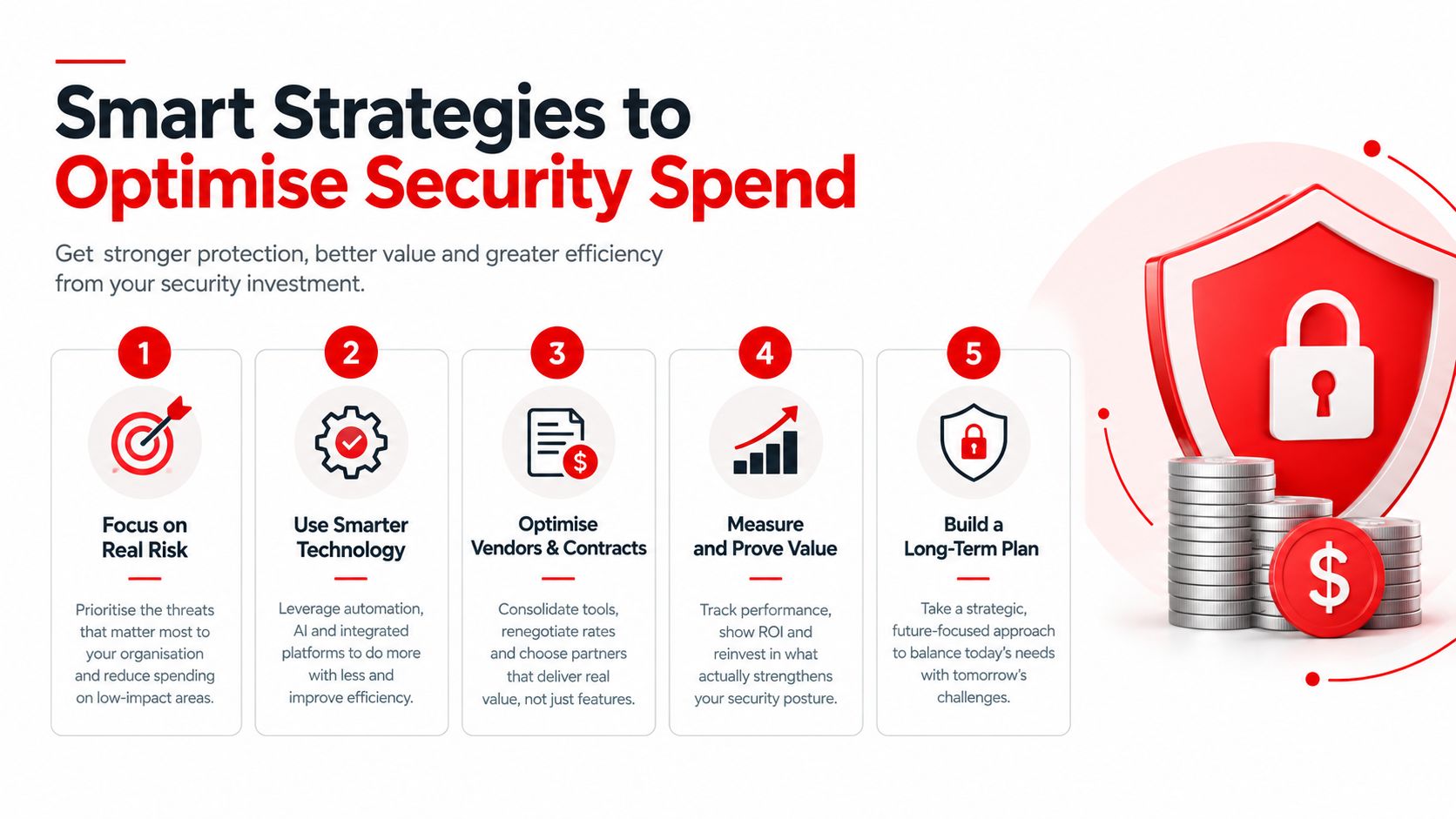
Spend against risk
Begin with an incident and vulnerability review. Identify where trespassing, theft, vandalism, disorder, or unauthorised access would cause the greatest operational damage. Then move patrol effort towards those points instead of asking officers to repeat low-value visual checks.
A hospitality venue might need visible vehicle presence near closing and a documented check of rear access. A construction manager may gain more from random inspections of high-value storage areas than from predictable perimeter drives. A retailer with several nearby stores may reduce travel exposure by coordinating a single route.
The cheapest patrol is not the one with the smallest visit fee. It's the one that addresses the risk you actually have.
Hybrid coverage often makes better financial sense. CCTV monitoring can identify an event, while a mobile officer verifies the site and secures the immediate area. A static guard can cover a busy venue during operating hours, while patrols handle overnight checks. This avoids paying for continuous physical presence when the site only needs it during defined risk windows.
Negotiate the service, not just the rate
Put the following terms into the service level agreement:
- Defined inspection points: Specify doors, gates, plant, alarms, car parks, and restricted zones.
- Evidence standards: Require time-stamped reports, photographs for exceptions, and escalation records.
- Alarm terms: State the attendance fee, verification process, included actions, and any waiting charges.
- Route coordination: Offer multiple nearby sites together so the provider can assess route efficiency.
- Review process: Schedule operational reviews when incidents, access arrangements, or site conditions change.
A useful commercial framework is value based pricing for Australian founders, which helps decision-makers think beyond the cheapest unit price and assess the outcome purchased. For security, that outcome may be fewer unsecured access points, faster incident escalation, better evidence, and a clearer chain of accountability.
Don't randomise every patrol automatically. Random timing can improve deterrence, but excessive variation can make access coordination and staff communication harder. Use a schedule that officers can execute reliably and managers can audit.
Choosing a Provider Beyond the Headline Rate
A security tender should test operational competence, not sales presentation. Ask each provider to explain who performs the patrol, how the route is supervised, what happens after an alarm, how the officer documents findings, and how the company manages vehicle failure. If the answer is “that's included”, ask for the actual procedure.
Questions that expose weak proposals
- Licensing and deployment: Are officers appropriately licensed for the work, and does the provider match personnel to the venue, construction site, or retail environment?
- Hospitality compliance: Can the team operate within current state requirements and RSA expectations where alcohol service, crowd movement, and venue conduct matter?
- Reporting: Will you receive a digital record of attendance, exceptions, photographs, escalation, and resolution?
- Supervision: Who reviews patrol completion and incident quality when the client isn't watching?
- Fleet resilience: What is the backup plan if the assigned patrol vehicle becomes unavailable?
- Alarm escalation: Who receives the call, what does the officer check, and when does the provider contact the client or emergency services?
A marked vehicle and uniform create visibility, but they don't prove that the officer checked the correct areas. Require a sample redacted patrol report and a site-specific schedule before signing. Reporting quality matters because it turns a vague service into an auditable operational record.
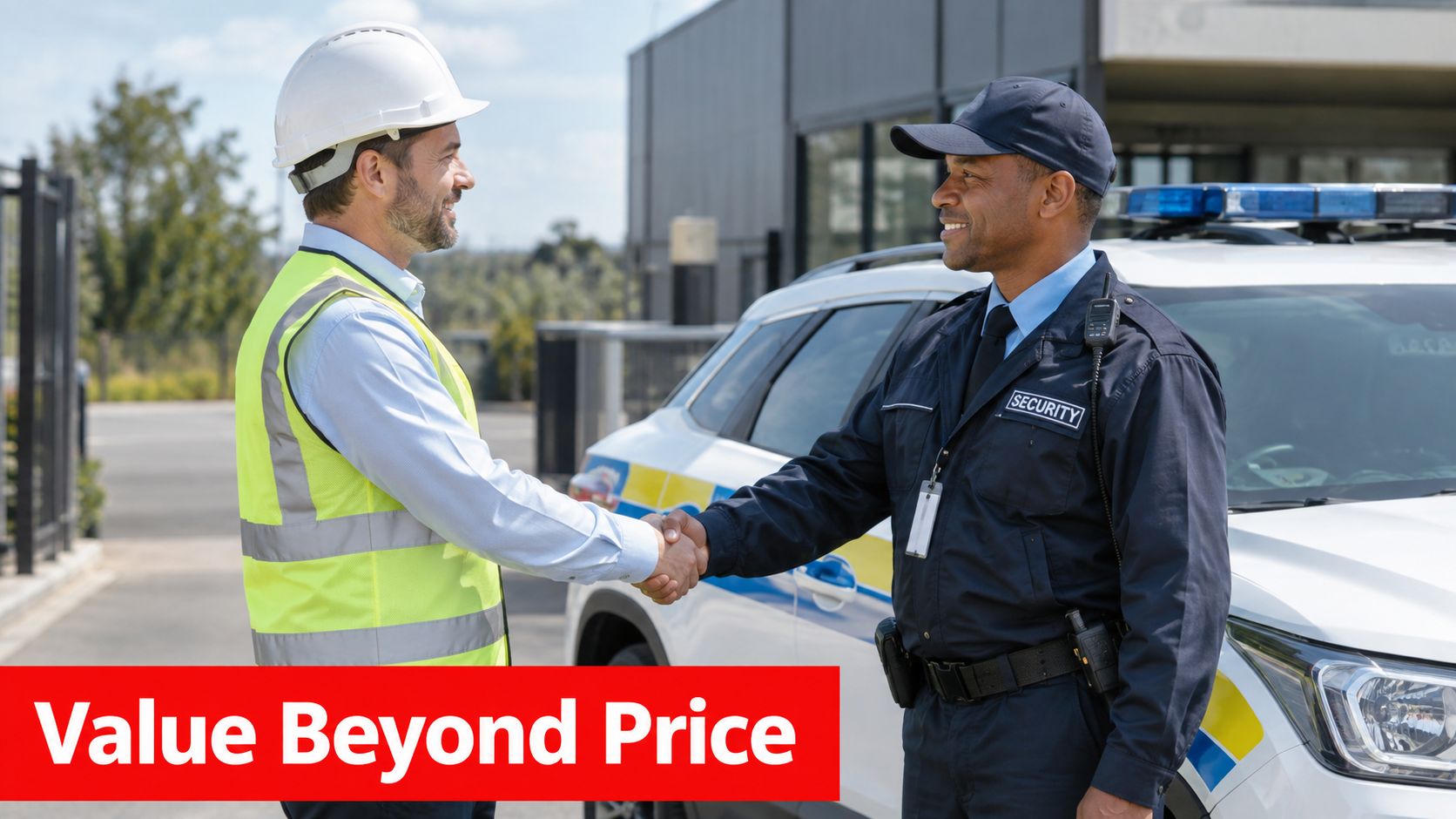
Compliance also deserves its own due diligence. A business that needs broader risk controls may find useful background in compliance consulting from Amax Fire & Security, particularly when security arrangements intersect with documented procedures, emergency planning, and operational accountability.
GM GROUP Services is one Australian provider that offers vehicle patrols alongside static guards, K9 units, event security, alarm response, gatehouse control, back-to-base monitoring, and risk assessments across NSW, VIC, QLD, and the ACT. Its fit-for-purpose approach focuses on matching guards and coverage to the operating environment, with supervision, reporting, training, and RSA-aware venue operations included in the broader service model.
The right provider won't automatically be the cheapest. It will make the scope visible, price the labour and vehicle inputs, and explain how it will manage exceptions without turning every operational question into an invoice surprise.
Frequently Asked Questions About Patrol Pricing
Are mobile patrols cheaper than static guards for a construction site?
Often, yes, when the site needs after-hours deterrence and inspection rather than a continuously stationed officer. A mobile patrol can check access points, perimeter areas, equipment zones, and temporary structures without maintaining a full-time presence. A large or high-risk project may still need static guarding, CCTV monitoring, controlled entry, or a hybrid model where immediate on-site response matters.
The decision should follow the threat and task list. If workers, deliveries, visitors, or valuable assets require constant access control, a patrol alone won't perform the static guard's job.
How do public holidays affect the invoice?
Public holidays and other penalty conditions can raise the underlying labour cost, particularly when the patrol is scheduled outside ordinary conditions. Ask the provider whether the quoted visit rate already includes those periods, and require the contract to identify any surcharge before signing.
Don't accept “standard rate” language without a schedule. The award-based labour assumptions should be clear, especially for venues that operate through weekends and holidays.
What happens if the patrol vehicle breaks down?
The provider should have a documented continuity plan. That may involve a replacement vehicle, reassignment to another patrol unit, a supervisor attending, or escalation to the client when the agreed service cannot be delivered. Your contract should state how missed or delayed visits are recorded and whether the provider must notify you immediately.
This is why fleet management belongs in the tender conversation. A patrol is a vehicle-enabled service, not just an officer carrying out a walk-through.
Does a cheap per-visit quote guarantee value?
No. Compare the inspection scope, travel assumptions, alarm response, reporting, supervision, licensing, vehicle suitability, and after-hours terms. A low quote that excludes attendance fees or provides minimal evidence can cost more once the site needs a real response.
Should patrols be scheduled or random?
Use both where appropriate. Scheduled visits help with lock-up, opening checks, and operational routines. Randomised timing can make the patrol less predictable and may suit sites exposed to trespass or vandalism. The provider should document the agreed approach so your team can confirm that the service matches the risk plan.
What should a buyer request before signing?
Request an itemised proposal, patrol map or route description, inspection checklist, alarm-response terms, sample report, escalation contacts, vehicle contingency plan, licensing confirmation, and clear pricing for nights, weekends, public holidays, extra visits, and cancellation. Then compare total operating coverage, not just the first number on the page.
GM GROUP Services provides fit-for-purpose vehicle patrols, static security, alarm response, event protection, risk assessments, and supervised reporting across NSW, VIC, QLD, and the ACT. Visit GM GROUP Services to discuss your site, patrol frequency, alarm requirements, and an itemised security plan that reflects the mobile security patrol cost.
Discover more from GM Group Services
Subscribe to get the latest posts sent to your email.