


Effective hotel security management is the foundation of a guest's entire experience and a crucial element for flawless operations. It’s far more than just a line item in the budget; it’s the comprehensive strategy that protects everyone on your property and builds the kind of trust that earns repeat business.
The goal is to create an environment that feels both secure and genuinely welcoming. A truly successful approach shifts your security posture from simply reacting to incidents to actively preventing them before they can ever happen.
Building Your Hotel Security Management Framework
A strong security framework isn't just about placing guards at the front door. Think of it as a layered, integrated system that brings together well-trained people, smart technology, and crystal-clear procedures. This is the bedrock for meeting your duty of care obligations and, just as importantly, making sure your guests feel completely safe and relaxed during their stay.
The first step is to get out of a reactive mindset. Instead of waiting for something to go wrong, a modern security plan anticipates potential problems. This requires a deep, honest look at your property's unique risks, from a poorly lit corner in the car park to an unsecured back-of-house entrance. For instance, a practical first step is scheduling weekly "security walks" at different times of the day and night to spot vulnerabilities that aren't apparent from an office.
We can break down the essentials of a modern security strategy into a few key pillars. Each one supports the others, creating a cohesive and resilient system that protects your guests, staff, and property.
Here's a look at how these core components fit together:
Key Pillars of Modern Hotel Security Management
| Security Pillar | Core Objective | Practical Examples |
|---|---|---|
| Proactive Risk Identification | To find and fix vulnerabilities before they can be exploited. | Regular physical walkthroughs (day and night), reviewing incident reports for patterns, analysing local crime data. |
| Layered Defences | To create multiple barriers, meaning the failure of one measure doesn't mean a total breach. | Combining CCTV surveillance with uniformed guard patrols and electronic key card access on guest floors. |
| Personnel and Training | To ensure your team is your strongest security asset, not a liability. | Security awareness training for all staff (not just guards), regular emergency drills, RSA compliance for F&B staff. |
| Guest-Centric Approach | To make security feel reassuring and professional, not intimidating or inconvenient. | Well-groomed, helpful security staff; discreetly placed cameras; keycard systems that "just work". |
Ultimately, it’s about creating a system that works together seamlessly to protect your hotel without disrupting the guest experience.
The real art of hotel security is in the balance. You need a blend of visible deterrents that discourage trouble and seamless, invisible protections that make guests feel safe without feeling watched.
A critical piece of this puzzle is controlling who can go where. Understanding the fundamentals of access control—from keycard systems to restricted-area biometrics—is non-negotiable. For those wanting a deeper dive into the technical side, improving facility security with access control is an excellent resource. This knowledge is crucial for designing a secure environment that balances robust safety with the convenience your guests expect.
How to Conduct a Practical Hotel Risk Assessment
Before you can build a strong security plan for your hotel, you first need to know exactly what you're up against. Designing robust defences is impossible until you identify precisely what you’re defending against. This is where a thorough, practical risk assessment comes in — it's the most critical first step you'll take.
This isn’t just a box-ticking exercise. It's about getting on your feet and walking the property with a critical eye, almost thinking like someone looking for an opportunity. The goal is to move past assumptions and build a real, data-driven picture of your hotel's security landscape.
Identifying Threats Across Different Zones
A hotel is a complex environment, not a single open space. Each part of your property has its own distinct purpose and, with it, unique risks. Your assessment needs to cover all of them, not just the front lobby.
- Public Zones: Your lobby, restaurants, and bars are the busiest areas. They're naturally prone to opportunistic theft, public disturbances, or people simply wandering in who shouldn't be there. As you walk through, look for uncontrolled access points and spots with poor visibility. Actionable Insight: Place a discreet, convex mirror in blind-spot corners of your lobby to give front-desk staff better visibility.
- Guest-Only Zones: Think of the hallways, pool, gym, and lifts. These are semi-private spaces where the primary risks shift to guest-on-guest incidents, theft from rooms, and ensuring only registered guests can get to these floors in the first place.
- Back-of-House (BOH): Staff corridors, loading docks, kitchens, and offices are so often overlooked, yet they can be a huge vulnerability. These areas are prime targets for internal theft or unauthorised access from the outside. A weak BOH can completely undermine all your front-of-house efforts. To dig deeper into this, a practical guide can help you prevent internal human capital risks.
A risk assessment is essentially a story about what could go wrong. Your job is to find the weak chapters and rewrite them before the story becomes a reality. This means cataloguing everything from a broken fence to a weak Wi-Fi password.
The infographic below shows how this process fits into a broader security framework. It all starts with this proactive approach to identifying risks.
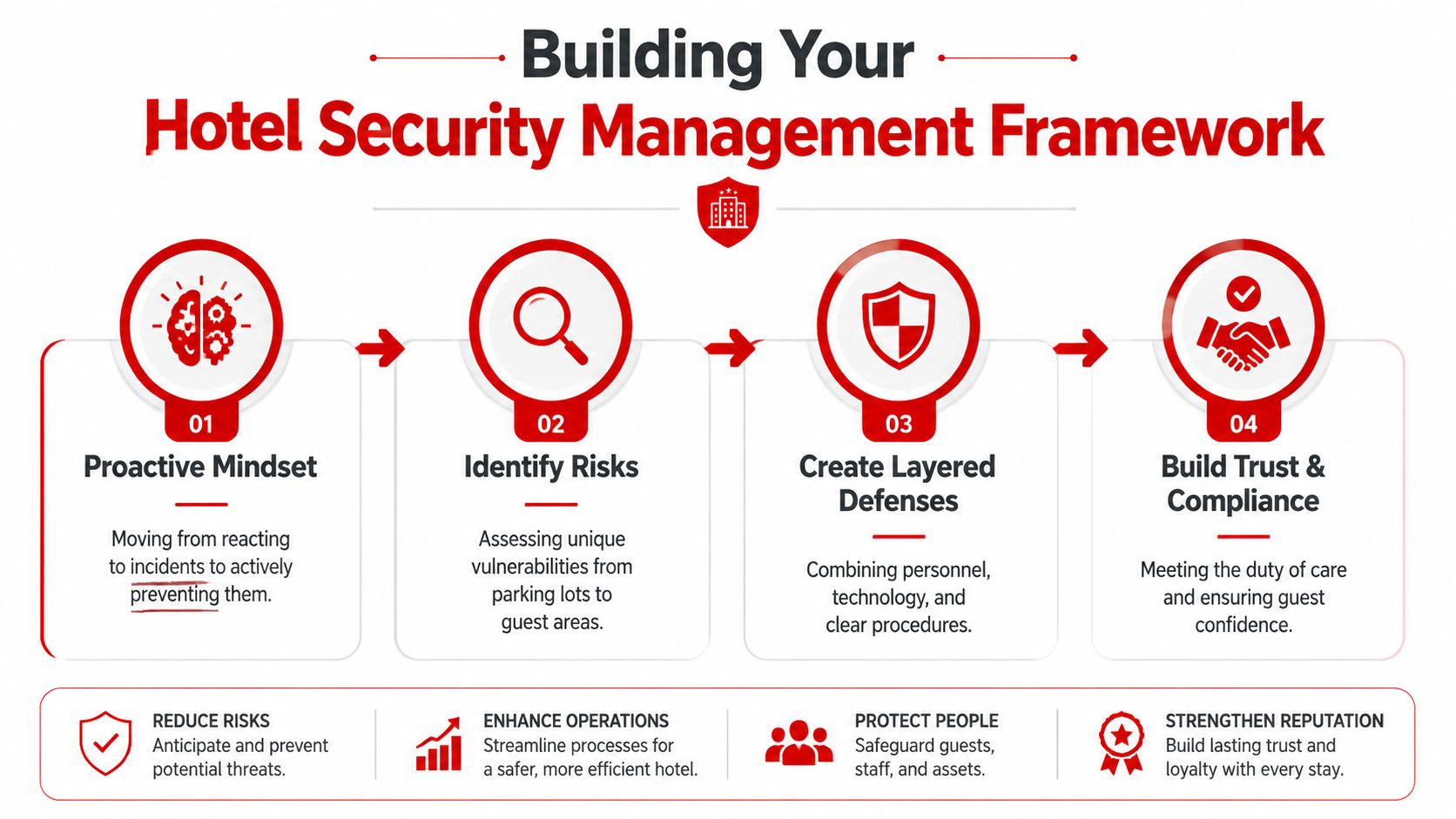

As you can see, figuring out what could go wrong is the foundation that directly informs how you build your defences.
Creating a Practical Risk Register
The tangible result of all your walking and observing should be a risk register. This isn't complicated; it's a simple document that lists every single threat you've identified. Then, for each threat, you score it based on two simple factors: its potential impact on the business and its likelihood of happening.
For instance, a guest slipping on a wet floor in the lobby might be a high-likelihood event but have a medium impact. On the other hand, a coordinated data breach that steals your guest database is low-likelihood but carries a catastrophic impact.
This simple act of prioritisation is game-changing. It ensures your security budget and your team's time are spent tackling the biggest and most probable threats first. This register becomes the strategic heart of your entire hotel security management plan.
Building Your Hotel Security Team: A Smarter Approach to Staffing
So, you’ve completed your risk assessment. You know the what and the where of your security weak spots. Now it’s time to tackle the who. All too often, the first question is, "How many guards do we need?" but that’s really missing the point. Effective hotel security management isn't about headcount; it’s about strategically matching specific skills to the unique risks your hotel faces.
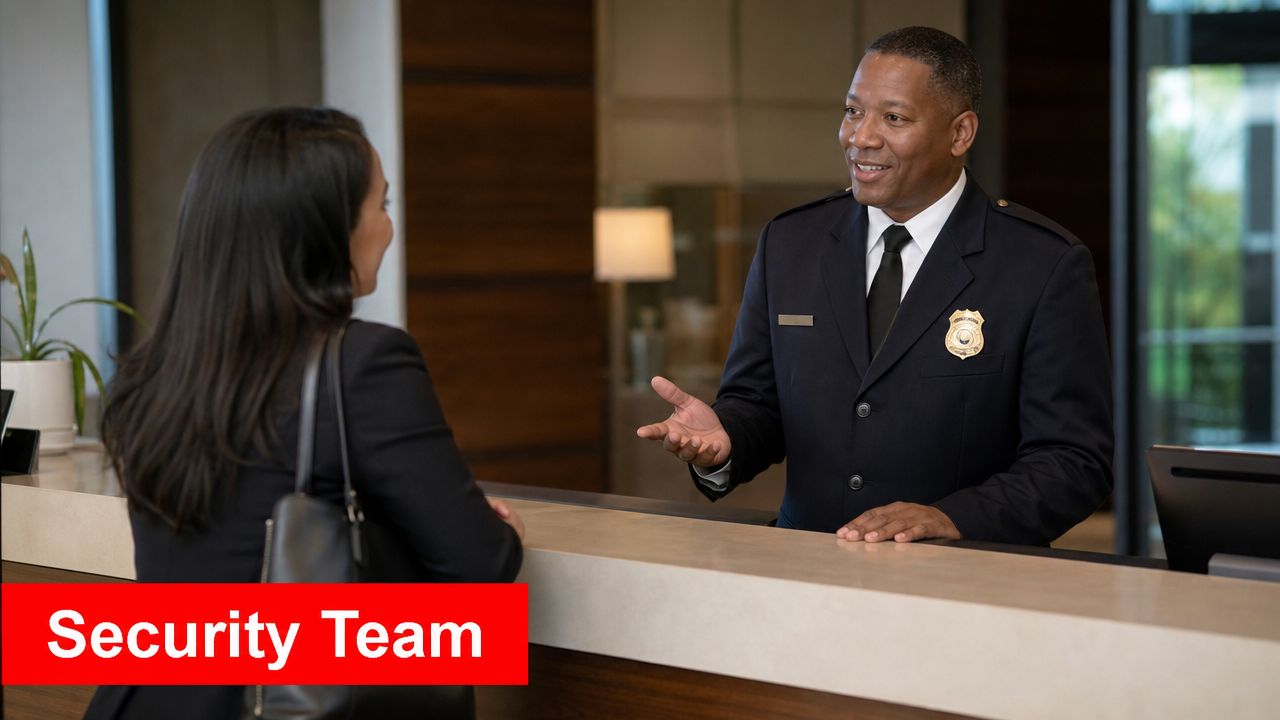
Think about it. The security officer standing in your lobby is much more than just a uniform. They are one of the first faces a guest sees, acting as an ambassador for your brand. They need exceptional customer service and communication skills. On the other hand, the guard posted near your busy hotel bar or nightclub entrance needs a completely different skillset—they must be an expert in de-escalation and crowd control. This is the core of a smart staffing model: putting specialised expertise exactly where you need it most.

From Presence to Purpose: Why SOPs Are Your Playbook
Once you have the right people on your team, you need to give them a clear playbook. This is where Standard Operating Procedures (SOPs) come in. They are what transforms a guard’s simple presence into purposeful, effective action. Without them, you're just relying on guesswork, which can lead to inconsistent and sometimes dangerous outcomes.
Clear SOPs are the bridge between your security strategy and your team's on-the-ground performance. They eliminate guesswork during high-stress incidents, ensuring every response is consistent, compliant, and professional.
Your SOPs need to provide clear, step-by-step instructions for the most common and high-risk scenarios you identified in your assessment. This isn’t a vague guideline; it's a documented process for situations like:
- Managing Intoxicated Individuals: How to progress from a verbal warning to involving the police.
- Responding to Alarms: What to do for a fire alarm versus a security system breach.
- Emergency Evacuations: Defining specific guard roles for directing guests and securing the building.
- Handling Unauthorised Persons: A clear, respectful process for escorting non-guests off the property.
This detailed approach ensures your security team acts as a disciplined, reliable extension of your hotel's brand, even when the pressure is on.
Finding the Right Fit: The Shift to Professional Guarding in Australia
Across Australia, the trend in hotel security management is clear: hotels are moving away from makeshift internal teams and turning to specialised external security providers. The Australian Bureau of Statistics has reported significant growth in the security services industry, with thousands of businesses now employing tens of thousands of licensed professionals.
This shift makes sense. It’s a recognition that professional security is a highly specialised and compliance-driven field. If you'd like to read more on this, you can explore trends in boosting security for luxury hotels.
Partnering with a professional firm guarantees that your guards are not just present, but are properly licensed, insured, and receive ongoing training. This ensures they are always up-to-date with the latest regulatory standards across states like NSW, Victoria, and Queensland, giving you true peace of mind.
Integrating Technology for Proactive Security
In modern hotel security, technology isn't just a backup; it's a force multiplier for your team. The goal is to strategically layer your tech solutions to build a smarter, more responsive security environment that can stop threats before they even happen.
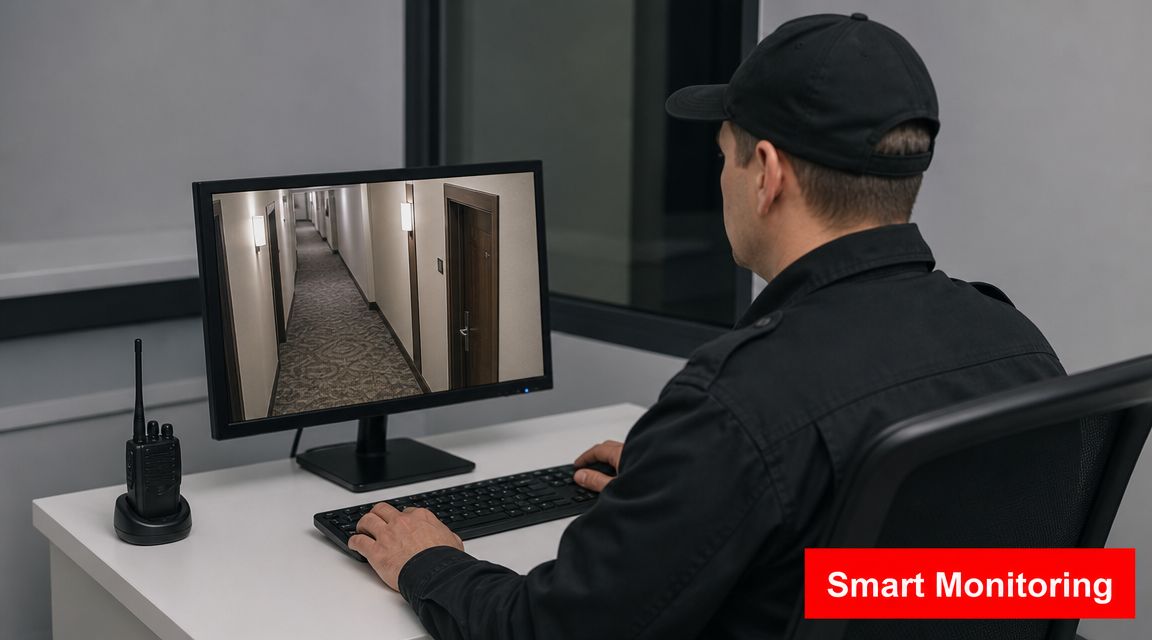
This goes well beyond just installing a few cameras. A proper strategy means optimising CCTV placement to wipe out blind spots in your highest-risk areas. For instance, you absolutely need clear coverage of lift lobbies, secluded hallway corners, and any dimly lit sections of your car park.

Creating an Integrated Tech Ecosystem
Your aim should be to build a system where your technology and your people work together seamlessly. A modern electronic keycard system is a perfect example of this. It does more than just secure a guest room; it creates an invaluable digital audit trail. This log shows exactly which key accessed which door and when—critical data for any investigation that might follow.
The real power of security technology is unlocked when it’s integrated. A motion alert from a restricted area camera should automatically appear on a guard’s tablet, allowing for an immediate and precise response.
When you bring new systems on board, it's vital to assess the platform's own security measures to ensure your data and operations are protected. Taking the time to understand a provider's data handling, like what's outlined in Resgrid, LLC's security protocols, is a crucial step in maintaining your digital integrity.
The key is choosing systems that are user-friendly and enhance safety without feeling intrusive to your guests. Striking this balance is central to successful hotel security management.
Creating a Culture of Continuous Security Improvement
Effective hotel security management is never a "set and forget" task. You can't just write a security plan, file it away, and consider the job done. The reality is that threats are constantly changing, and your security strategy needs to be just as dynamic. This means fostering a culture where security is a shared responsibility, and continuous improvement is simply how you operate, not a box to tick once a year.
This kind of proactive approach really comes down to two things: ongoing training and regular performance checks. It's a mistake to think training is just for your security guards. While they certainly need specialised skills in things like de-escalation and emergency response, every single person on your payroll—from the front desk team to the housekeepers—needs to be your eyes and ears. When they're trained to spot and report suspicious activity, you've suddenly turned your entire staff into a powerful, property-wide security network.
From Plan to Practice Through Audits and Drills
A security plan sitting in a folder is worthless. You only know if your protocols actually work when you put them under pressure. This is where regular audits and drills become some of the most powerful tools in your hotel security management program.
Scheduled Drills: Don't just do the annual fire drill. Run regular, and sometimes unannounced, drills for a variety of scenarios. Think about fire evacuations, of course, but also medical emergencies or how to manage a public disturbance. It's in these tests that you find the gaps between what's written down and what actually happens.
System Audits: At least once a quarter, your security manager should be doing a hands-on audit of all your systems. This means physically walking the floor, checking that every access control point works, making sure CCTV camera views aren't blocked by a new sign or a plant, and testing all your alarm functions.
Incident Report Analysis: Incident reports shouldn't just be filed for compliance. They're a goldmine of data. Get in the habit of reviewing them monthly to look for trends. Are thefts always happening in a particular wing? Are noise complaints spiking at the same time every weekend? This information is exactly what you need to adjust your rosters and patrols.
A security culture thrives on feedback. By constantly auditing systems, analysing incidents, and running drills, you create a powerful feedback loop that drives genuine, lasting improvement and keeps your defences sharp.
This idea of constant performance monitoring is a huge shift we're seeing in the Australian security industry. The old approach of security as a fixed expense is being replaced by a managed service model that includes built-in audits, reporting, and refresher training. Modern security isn't just about guards at the door; it's an integrated approach that covers emergency preparedness, cyber protection, and comprehensive staff training. To dig deeper into this, you can learn about evolving hotel security standards and see how you can ensure your own security remains effective against whatever comes next.
Frequently Asked Questions About Hotel Security Management
When we sit down with hotel owners and managers, the same practical questions about security pop up time and again. Building an effective hotel security management plan is all about having clear answers and a solid strategy for every possibility. Here, we tackle some of the most common queries to help you make confident decisions about protecting your property, guests, and team.
What is the most important element of hotel security?
While technology and procedures are vital, the most important element is a well-trained, customer-focused team. All staff, not just security guards, should be trained in security awareness. A housekeeper who knows how to spot and report a propped-open fire door is just as valuable as a high-tech camera.
What is the best security technology for a hotel?
The most effective approach is almost always an integrated system that combines high-definition CCTV with modern electronic access control. Think of them as two sides of the same coin. CCTV is a powerful visual deterrent and an absolutely essential tool for investigating any incidents that do occur. At the same time, electronic access control (like keycards) not only secures guest rooms but also staff-only areas, creating a digital trail of every entry. When you pair these two, you get the most robust technological layer for your program, ensuring both strong protection and clear accountability.
The real art is in balancing visible and invisible security. A professional, friendly guard in the lobby is a welcoming, reassuring presence. Complement this with discreet modern cameras and well-trained staff to make guests feel safe and cared for, not watched.
How many security guards does my hotel actually need?
There's no magic number here. The right staffing level depends entirely on your specific risk assessment, the size of your property, and what amenities you offer. A small boutique hotel might only need a single guard overnight. On the other hand, a large urban hotel with a popular nightclub could easily require a team of five or more during a busy weekend. Actionable Insight: Use data from your booking system to anticipate high-occupancy periods and schedule extra security coverage in advance.
How can we improve security without making guests feel uncomfortable?
This is perhaps the most critical part of hospitality security. The goal is to make guests feel safe, not like they're being constantly monitored. This is achieved through what we call "customer-centric security."
- A Visible Presence: A well-dressed guard with a professional, helpful demeanour in the lobby acts as a reassuring presence, not a threat. They become part of the guest service team.
- Invisible Layers: This visible presence should be supported by 'invisible' security measures. This includes excellent lighting in all areas (especially car parks and corridors), discreetly placed modern cameras, and training for all hotel staff in basic security awareness so they can report issues subtly and effectively.
Do AI cameras really make a difference?
Yes, they make a significant difference. AI-powered surveillance can analyse video feeds in real-time to pick up on unusual activity, like someone loitering in a hallway late at night or a vehicle circling the car park repeatedly. This gives you instant alerts, allowing your team to respond proactively rather than just reviewing footage after an incident has already occurred.
Are mobile key systems secure?
When they are implemented correctly with strong encryption, mobile key systems are extremely secure. They completely eliminate the risk of physical keys being lost or copied and offer guests a convenient, contactless way to access their rooms.
Partnering with an expert team is the most effective way to implement a robust security strategy that complements your guest experience. At GM GROUP Services, we specialise in creating tailored security solutions for hotels across Australia, matching the right personnel and technology to your unique environment. Contact us today to learn how we can help you safeguard your people, property, and brand reputation.